Gura Martial arts
martial art movement
GURA MOVEMENT
This is a living encounter, full of energy and adrenaline, that sets a new challenge each time and asks us to find solutions while moving. Inside a safe and supportive frame, we make room for our animal force, try ourselves against resistance, and learn to know ourselves through direct contact with another person.
What happens in a class?
The class is built as a gradual process: from listening inward, through movement and physical work, to meeting another person and to the struggle. At the end we return to observation and let the experience become learning.
-
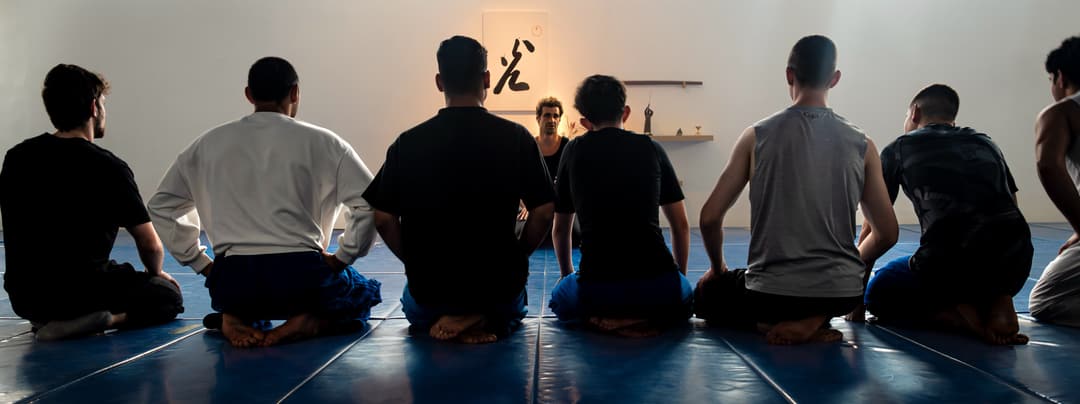
Gathering and listening
We begin by stopping and looking inward. We turn our attention to the breath, to the sensations of the body, and to the state in which we arrived: physically and mentally. From that listening we begin to build a relationship with the body and to be present to what is happening in us and around us.
-
Warm-up and free movement
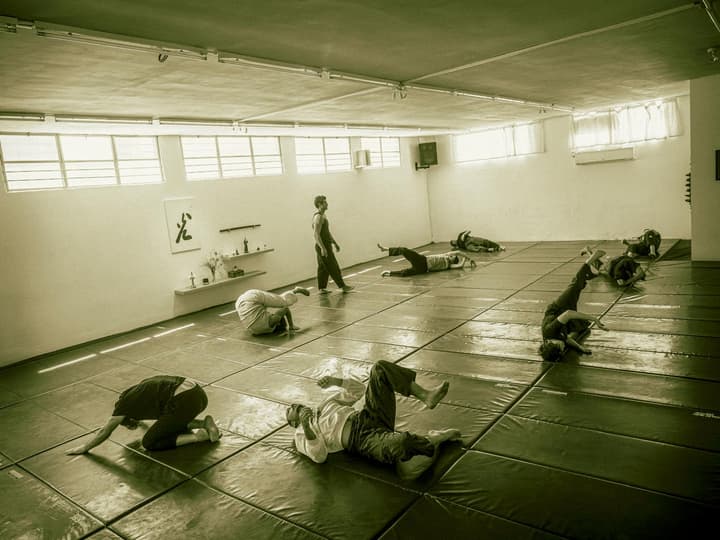
Through gradual physical practice we wake the body and prepare it for the work. We move on the mat at different levels, learn to roll, change direction, and move freely in the space. The warm-up is also a chance to develop creativity, play, and the ability to respond spontaneously and intuitively.

-
Learning technique and principles
We learn techniques of safe falling, orientation in space, and principles from mixed martial arts. Through the practice we develop coordination, stability, timing, and the ability to use the body efficiently. The work is adapted to each person’s abilities, experience, and physical condition.

-
Mixed martial arts
Here we enter the martial art through practical practice. We practice throws, releases from grips, control of space, and keeping balance.
Through wrestling and sumo games, in which the aim is to take a partner off balance, to submit them, or to push them beyond the edge of the mat, we learn to apply force, to see openings, to time the action, and to respond to the opponent’s movement.

-
Return, processing, and integration
After the physical work we return to the breath, to the sensations of the body, and to listening inward, as at the start of class. We make room for the experience we have been through, notice what arose in us, and look at what we learned about ourselves through meeting the other.
We leave the mat with a real bodily experience of meeting a challenge, and with a chance to take something from it into the rest of the day: more awareness, confidence in the body, a sense of capability, and the ability to meet ourselves and our surroundings in a more flexible and attentive way.

Why Guy Gurevich?
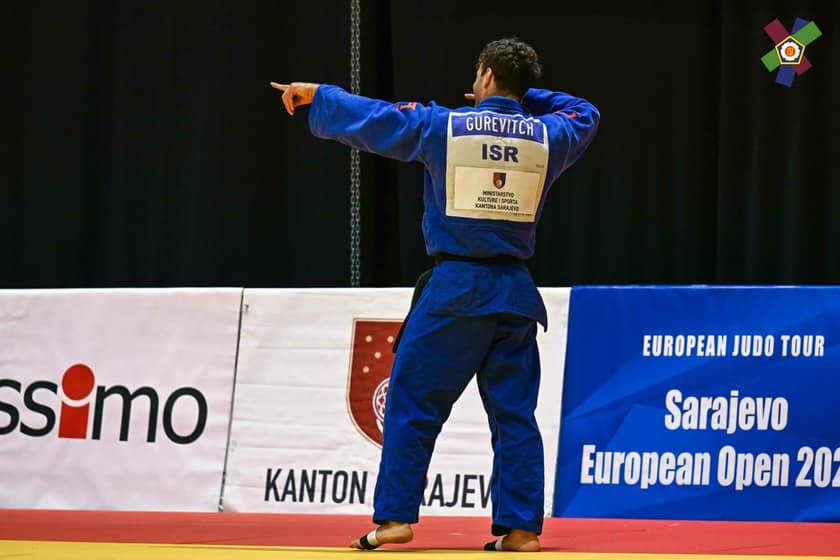
A former Olympic judoka
With international results, including a historic medal at the World Team Championships and an individual medal at the European Championships.
He learned the body again
Coping with injuries and long rehabilitations led Guy to study the movement of the body from different angles. The idea that physical movement and mental movement are connected led him to conclude that practicing martial arts, beyond improving our physical condition, can serve us as a tool for development, maturing, and growth.
On the road
The search led him on a personal journey after teachers and approaches in the world of martial arts and movement. From studying Kalaripayattu in India, through Aikido in Japan, to different forms of dance, he explored new ways to meet force and conflict, and to turn them into a tool for empowerment and personal growth.
He founded Gura
A home for movement, martial arts, and improvisation in Israel: a place where struggle and resistance become a chance to learn, to play, and to grow.
What do we mean when we talk about martial arts?
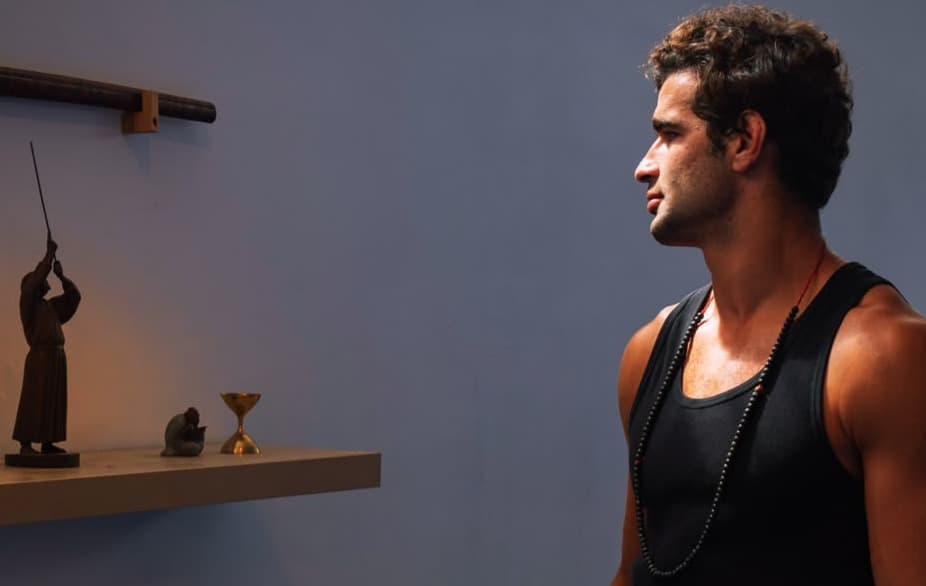
Martial arts are precise movement inside a changing reality. The ability to sense the moment before it happens, to move without hesitation, and to be present inside the action.
Martial arts are flow. A rhythm built between two forces: a dialogue of movement, distance, timing, and energy.
Sometimes it is fast and sharp, like a flash. And sometimes it is quiet, slow, and asks for softness.
Martial arts ask you to listen through the body. To move between grounding and momentum, between stability and freedom.
Over time, the movement becomes more natural than thought, and the response becomes something alive, intuitive, and free.
There is sharpness in martial arts. There is precision. And there is a particular state of mind, a state in which everything comes together in one moment of presence.
The body moves, the breath leads, and time seems to slow.
Martial arts are an art of flow: flow against mass, flow against the forces acting on us.
A little about the dojo
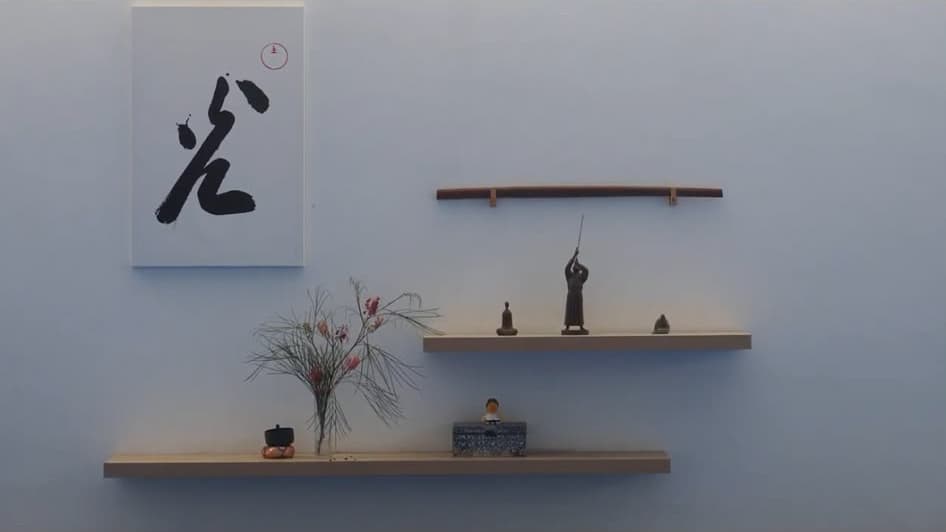
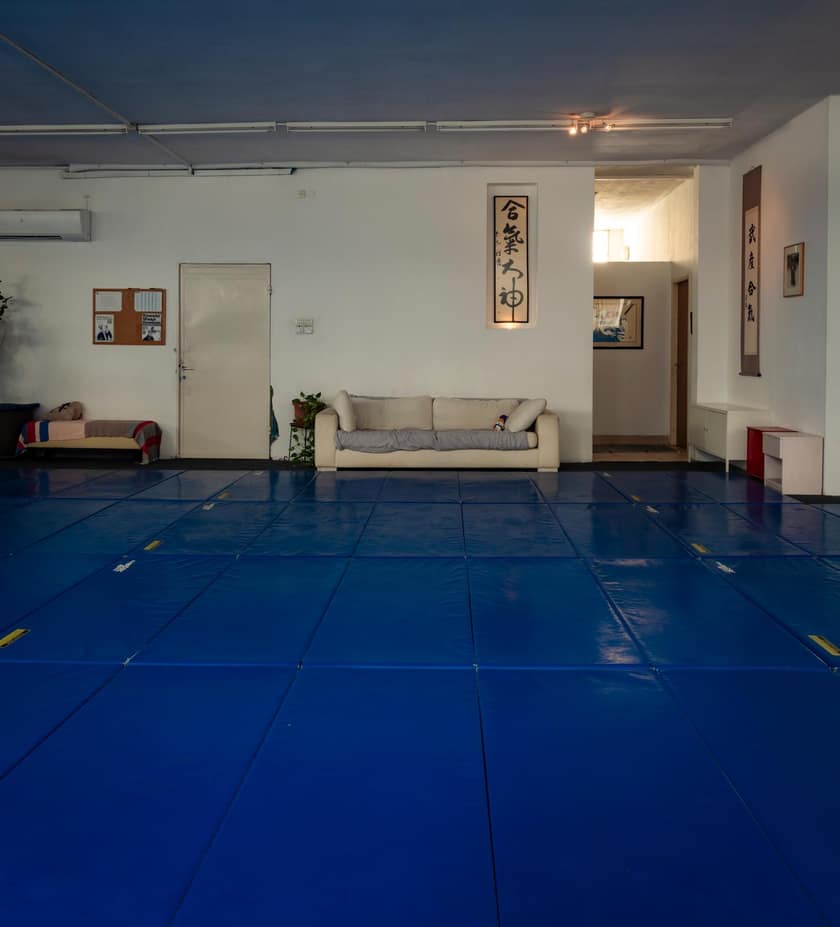
Our dojo is in the heart of Tel Aviv, in the Montefiore neighborhood: a pleasant, welcoming place that is home to our community. It is a living, breathing laboratory where we study our patterns of movement and thought; a place to grow, to develop, and above all to feel at home.
Talk to us
Want to join a class or hear more? Write to Guy on WhatsApp, by email, or on Instagram.